
Had a C-Section Before? Let’s Talk About Your Birth Options This Time.
Having had a Caesarean birth before does not automatically mean that every future birth must happen the same way.
For some women, planning for a vaginal birth after a previous Caesarean may be an option. The right approach depends on your previous birth, your medical history and your current pregnancy.
At BirthWave, the conversation begins by understanding you and your previous birth.
VBAC suitability requires individual medical assessment.
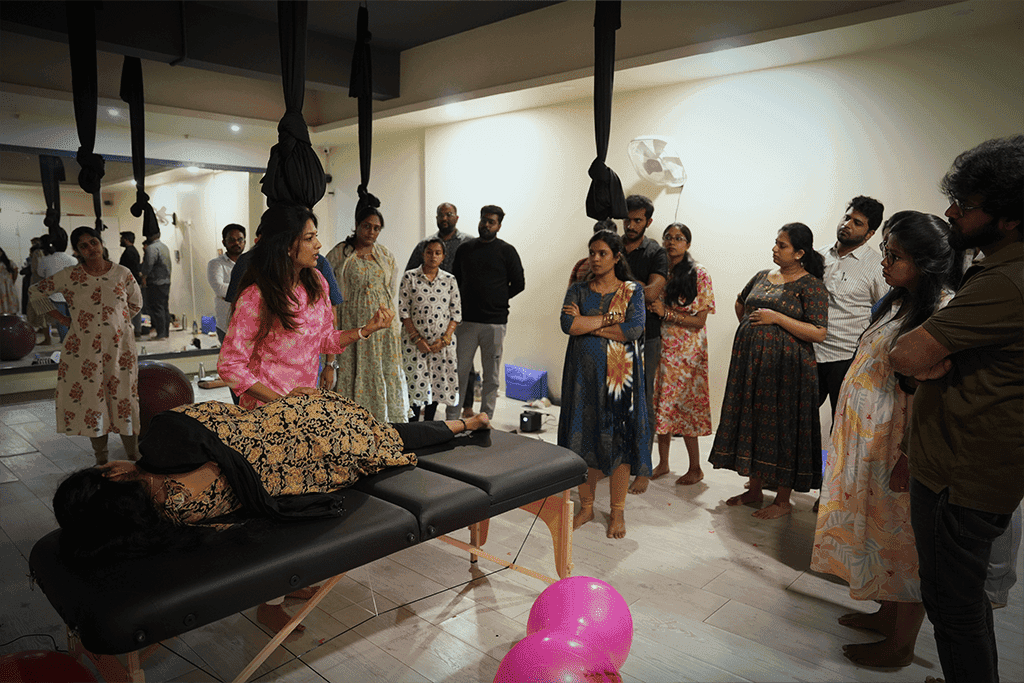
Obstetrician-Led Assessment
Evidence-based planning guided by RCOG & ACOG
What is VBAC?
VBAC stands for Vaginal Birth After Caesarean.
It means giving birth vaginally after having had a Caesarean birth in a previous pregnancy.
Whether VBAC is an appropriate option for you cannot be decided simply because you have had “one C-section.” Your obstetrician needs to consider your previous Caesarean, medical and obstetric history, and how your current pregnancy is progressing.

Evidence-Based Obstetric Care
Aligned with international RCOG & ACOG guidelines
YOUR FIRST CONVERSATION
“Can I Have a Vaginal Birth After My Previous C-Section?”
This is one of the most important questions to discuss with your obstetrician early in pregnancy.
Your consultation may include reviewing:
Your Previous Caesarean
Why was the Caesarean needed and were there any complications?
Your Previous Birth History
Any previous vaginal births and your overall obstetric history are relevant to the discussion.
Your Previous Medical Records
Where available, records from your previous delivery can help your obstetrician understand the circumstances and type of previous uterine incision.
Your Current Pregnancy
Your health, baby’s wellbeing and the progress of this pregnancy are considered.
Your Birth Preferences
Your questions, concerns and previous birth experience are part of the conversation too.
These are among the factors RCOG recommends considering when discussing birth after a previous Caesarean.
INDIVIDUAL ASSESSMENT
VBAC Is an Individual Decision
There isn’t one answer that applies to every woman who has previously had a Caesarean.
For many women after one previous Caesarean, VBAC can be an option, while particular previous uterine incisions, previous uterine rupture or certain complications in the current pregnancy may make a planned Caesarean more appropriate.
That is why BirthWave’s approach begins with an individual obstetric assessment rather than assuming the method of delivery in advance.

Personalised Clinical Assessment
Individualised care tailored to your unique history
PREPARING DURING PREGNANCY
If VBAC Is an Option, Preparation Begins Before Labour
Once you and your obstetrician have discussed VBAC, preparation can continue throughout pregnancy.
This may include:
Regular Antenatal Care
Monitoring the health and progress of you and your baby.
Understanding Labour
Learning how labour may begin and when to contact or come to the hospital.
Birth Preparation
Discussing movement, breathing, comfort measures, pain-relief choices and birth preferences.
Birth Partner Preparation
Helping your partner understand how they can support you.
Planning Ahead
Understanding both the intended VBAC plan and circumstances that could require that plan to change.
DURING LABOUR
What Happens During Labour When Planning VBAC?
If you plan to attempt a vaginal birth after Caesarean, your maternity team will discuss when to come to the hospital and how you and your baby will be monitored during labour.
RCOG advises hospital birth for planned VBAC where an emergency Caesarean can be performed if necessary, and recommends continuous monitoring of the baby’s heartbeat once regular contractions begin. Pain-relief options, including epidural analgesia, can still be considered.
Your care team will continue assessing how labour is progressing and how you and your baby are doing.
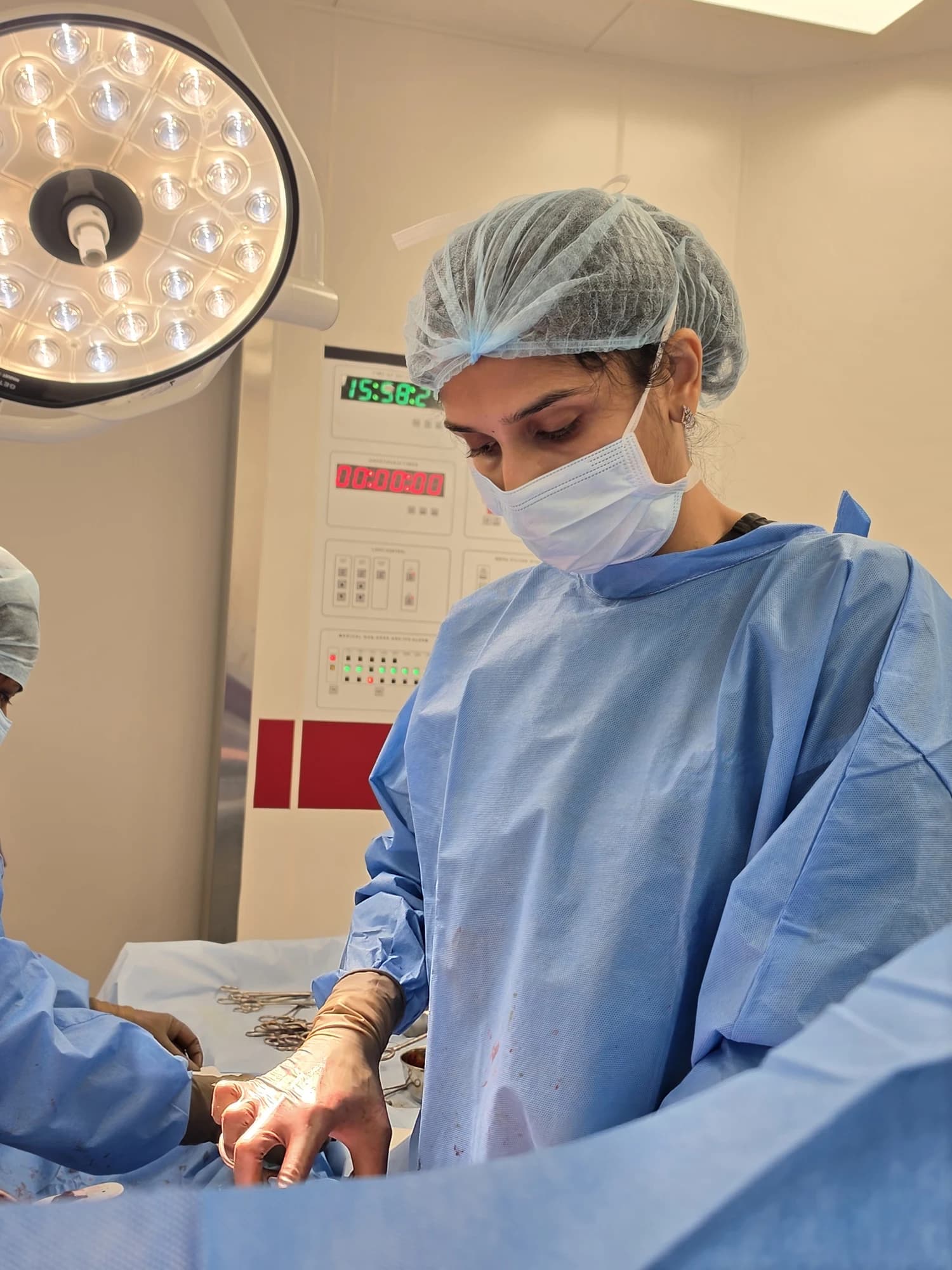
What if My Birth Plan Needs to Change?
Planning a VBAC does not guarantee that the baby will ultimately be born vaginally.
Sometimes labour does not progress as expected or concerns develop about the mother or baby. In those circumstances, the obstetric team may recommend changing the plan, including proceeding to a Caesarean birth when appropriate. ACOG similarly notes that circumstances arising during labour can alter the balance of benefits and risks and therefore change the delivery plan.
“Changing the birth plan is not a failure. It is part of responding to the circumstances of your labour and making decisions with the wellbeing of you and your baby in mind.”
Inside Birthwave
Care designed around the whole journey.
See how Birthwave brings pregnancy, birth, recovery and newborn care together in one connected experience.

Dr. Santoshi Nandigam
Obstetrician & Gynaecologist · VBAC Specialist
PERSONALISED OBSTETRIC CARE
Start With Your Previous Birth Story
Your previous Caesarean is part of your medical history, but it does not by itself determine how your next birth must happen.
At your consultation, Dr. Santoshi Nandigam can review your previous birth history, discuss your current pregnancy and help you understand the birth options that may be appropriate for you.
CONNECTED CARE
Support Through Pregnancy, Birth & Recovery
VBAC preparation is supported by comprehensive clinical and allied care at every stage.
Pregnancy & Antenatal Care
Ongoing pregnancy monitoring and preparation.
Childbirth Education
Understand labour, birth and what to expect.
Normal Vaginal Delivery
Learn about vaginal birth and birth preparation.
Pregnancy Yoga & Movement
Pregnancy-appropriate movements where medically suitable.
Nutrition
Guidance throughout pregnancy.
Postpartum Care
Support following childbirth, whether your baby is born vaginally or by Caesarean.
VBAC FAQ
Frequently Asked Questions About VBAC
VBAC stands for Vaginal Birth After Caesarean — giving birth vaginally after having previously had a Caesarean birth.
For many women, it may be an option, but it depends on your previous Caesarean, medical and obstetric history and current pregnancy. Your obstetrician needs to assess these factors individually.
Not necessarily. After a previous Caesarean, both VBAC and a planned repeat Caesarean may be options depending on your individual circumstances.
It is helpful to discuss your previous birth and options during pregnancy rather than waiting until labour. RCOG recommends discussing birth options during antenatal care.
Yes. Information about why your previous Caesarean was performed, any complications and the type of incision made in the uterus can be relevant when assessing birth options.
Yes. Pain-relief options can be discussed with your maternity team; RCOG specifically notes that various options, including an epidural, may be used during VBAC labour.
Your maternity team will monitor you and your baby. If circumstances change, your obstetrician may recommend changing the birth plan, which can include Caesarean delivery when clinically appropriate.
VBAC describes a vaginal birth specifically in someone who has previously had a Caesarean. A vaginal birth without that previous Caesarean history would not be called VBAC.
TAKE THE FIRST STEP
Had a Previous C-Section and Thinking About Your Next Birth?
You don’t need to decide based on general information online.
Bring your previous delivery records, if available, and speak with your obstetric care team about your individual pregnancy and birth options.
APPOINTMENT BOOKING
Book Your VBAC Consultation
Speak with Dr. Santoshi Nandigam to review your previous birth history and plan your pregnancy options.